 Doraemon
in my heart (Last update: 29.10.98)
Doraemon
in my heart (Last update: 29.10.98)
у ЮЕЗП ОБЮБЮБМБУШ ЬФБ
ЙУФПТЙС? б ДЕМП ВЩМП ФБЛ...
 Doraemon
зДЕ Й ЛПЗДБ ЬФП ОБЮБМПУШ? дПТБЬНПО Ч РЕТЧЩК ТБЪ, ПЮЕЧЙДОП, РПСЧЙМУС Ч 1969 ЙМЙ 1970 (Б ЛБЛ НБОЗБ УЕТЙБМ, ЗДЕ-ФП Ч 1974) Ч ОЕЙЪЧЕУФОПН УАЦЕФЕ - ЮЕН-ФП -ЙЪ-ЗМХВПЛПЗП-СЭЙЛБ-УФПМБ. й ЧПФ У ФЕИ РПТ СЧМСЕФУС ПЮЕОШ РПРХМСТОЩН Й МАВЙНЩН НБОЗБ УЕТЙБМПН Ч сРПОЙЙ, Б дПТБЬНПО ФЕРЕТШ, ЧПЪНПЦОП ПДОП ЙЪ УБНЩИ ХЪОБЧБЕЧБЕНЩИ МЙГ ЧП ЧУЕК сРПОЙЙ. уЕТЙБМ ДП УЙИ РПТ РТПДПМЦБЕФУС, ПДОБЛП УФТБДБЕФ ПФ ПФУФХРПЛ ПДОПЗП ЙЪ ДЧХИ РЙУБФЕМЕК. рП-НПЕНХ, ЛОЙЦЛЙ У 1К РП 30 СЧМСАФУС ЛМБУУЙЮЕУЛЙН дПТБЬНПОПН, ЙУФПТЙЙ ЧЩЗМСДСФ ЮЕН-ФП ГЕМШОЩН Й УФБОПЧСФУС ЧУЕ МХЮЫЕ ОБЮЙОБС У 6К ЛОЙЗЙ (Б ДП ОЕЕ ЧУЕ ТЙУХОЛЙ ЧЩЗМСДСФ ОЕНОПЗП УФБТПНПДОЩНЙ Б ЙОФТЙЦЛЙ НЕМЛПЧБФЩНЙ).
 рЕТЧБС ЙУФПТЙС ДБЕФ ОБН
РТЕДРПУЩМЛЙ ДМС ЧУЕИ ЧГЕМПН. оПВЙ
оПВЙФБ
рЕТЧБС ЙУФПТЙС ДБЕФ ОБН
РТЕДРПУЩМЛЙ ДМС ЧУЕИ ЧГЕМПН. оПВЙ
оПВЙФБ  (оПВЙФБ - ЬФП ЖБНЙМЙС ФБЛБС,
ЕЭЕ ОЕ ЪБВЩМЙ?) ЬФП ФБЛПК ПЮЛБУФЩК
ЮЕФЧЕТПЛМБУУОЙЛ ЦЙЧХЭЙК Ч ПДОПН ЙЪ
ТБКПОПЧ фПЛЙП. пДОБЦДЩ УФТБООПЕ
УХЭЕУФЧП ЧОЕЪБРОП ЧЩУЛБЛЙЧБЕФ ЙЪ
ЕЗП СЭЙЛБ УФПМБ --- ЮФП-ФП ФЙРБ УЙОЕЗП
ЛПФППВТБЪОПЗП ТПВПФБ
(ЕУФЕУФЧЕООП
ВЕЪ ХЫЕК!), ЧНЕУФП
ЪОБЛПНУФЧБ ЙМЙ РТПУФП
"ЪДТБУФЕ" УЯЕДБЕФ оПВЙФЙО
РПМДОЙЛ Й ВЩУФТЕИПОШЛП ТЕФЙТХЕФУС
ПВТБФОП Ч СЭЙЛ УФПМБ. оП ЧУЕ
РПУФЕРЕООП УФБОПЧЙФУС СУОП.
рТБ-РТБ-ЧОХЛ оПВЙФЩ (ОХ ЙМЙ ЗДЕ-ФП
ПЛПМП ЬФПЗП) ЦЙЧЕФ Ч 22Н ЧЕЛЕ ---
РТБЧДБ, УРБУЙВП ПЫЙВЛБН оПВЙФЩ,
ЦЙЧЕФ Ч ВЕДОПУФЙ. дМС ЙУРТБЧМЕОЙС
ФБЛПК УЙФХБГЙЙ, РТБ-РТБ-ЬФПФ УБНЩК
ПФРТЩУЛ оПВЙФЩ РПУЩМБЕФ ТПВПФБ
дПТБЕНПОБ (ОЕ УХРЕТ ЛБЮЕУФЧЕООПЗП)
ОБЪБД Ч РТПЫМПЕ, ЮФПВЩ
РТЕДХРТЕЦДБФШ ПЫЙВЛЙ оПВЙФЩ.
лПОЕЮОП ЬФП ФСЦЕМБС ЪБДБЮБ, ФБЛ ЛБЛ
оПВЙФБ УБНЩК УМБВЩК Й ФХРПК ТЕВЕОПЛ
Ч УЧПЕН ЛМБУУЕ. б дБПТБЕНПО ФПЦЕ ОЕ
УБНЩК ХНОЩК ЙЪ ТПВПФПЧ. рТБЧДБ Х
ОЕЗП ЕУФШ 4И НЕТОЩК ЛБТНБО ОБ
ЦЙЧПФЙЛЕ У ЧУЕЧПЪНПЦОЩНЙ
ЛМБУУОЕОШЛЙНЙ Й ЛМЕЧЩНЙ
ЫФХЮЛБНЙ-ДТАЮЛБНЙ ЙЪ 22ЗП ЧЕЛБ, У
РПНПЭША ЛПФПТЩИ дПТБЕНПО РЩФБЕФУС
УРБУФЙ ПФ ОЕХДБЮ Й ВЕДОПУФЙ Ч
ВХДХЭЕН оПВЙФХ.
(оПВЙФБ - ЬФП ЖБНЙМЙС ФБЛБС,
ЕЭЕ ОЕ ЪБВЩМЙ?) ЬФП ФБЛПК ПЮЛБУФЩК
ЮЕФЧЕТПЛМБУУОЙЛ ЦЙЧХЭЙК Ч ПДОПН ЙЪ
ТБКПОПЧ фПЛЙП. пДОБЦДЩ УФТБООПЕ
УХЭЕУФЧП ЧОЕЪБРОП ЧЩУЛБЛЙЧБЕФ ЙЪ
ЕЗП СЭЙЛБ УФПМБ --- ЮФП-ФП ФЙРБ УЙОЕЗП
ЛПФППВТБЪОПЗП ТПВПФБ
(ЕУФЕУФЧЕООП
ВЕЪ ХЫЕК!), ЧНЕУФП
ЪОБЛПНУФЧБ ЙМЙ РТПУФП
"ЪДТБУФЕ" УЯЕДБЕФ оПВЙФЙО
РПМДОЙЛ Й ВЩУФТЕИПОШЛП ТЕФЙТХЕФУС
ПВТБФОП Ч СЭЙЛ УФПМБ. оП ЧУЕ
РПУФЕРЕООП УФБОПЧЙФУС СУОП.
рТБ-РТБ-ЧОХЛ оПВЙФЩ (ОХ ЙМЙ ЗДЕ-ФП
ПЛПМП ЬФПЗП) ЦЙЧЕФ Ч 22Н ЧЕЛЕ ---
РТБЧДБ, УРБУЙВП ПЫЙВЛБН оПВЙФЩ,
ЦЙЧЕФ Ч ВЕДОПУФЙ. дМС ЙУРТБЧМЕОЙС
ФБЛПК УЙФХБГЙЙ, РТБ-РТБ-ЬФПФ УБНЩК
ПФРТЩУЛ оПВЙФЩ РПУЩМБЕФ ТПВПФБ
дПТБЕНПОБ (ОЕ УХРЕТ ЛБЮЕУФЧЕООПЗП)
ОБЪБД Ч РТПЫМПЕ, ЮФПВЩ
РТЕДХРТЕЦДБФШ ПЫЙВЛЙ оПВЙФЩ.
лПОЕЮОП ЬФП ФСЦЕМБС ЪБДБЮБ, ФБЛ ЛБЛ
оПВЙФБ УБНЩК УМБВЩК Й ФХРПК ТЕВЕОПЛ
Ч УЧПЕН ЛМБУУЕ. б дБПТБЕНПО ФПЦЕ ОЕ
УБНЩК ХНОЩК ЙЪ ТПВПФПЧ. рТБЧДБ Х
ОЕЗП ЕУФШ 4И НЕТОЩК ЛБТНБО ОБ
ЦЙЧПФЙЛЕ У ЧУЕЧПЪНПЦОЩНЙ
ЛМБУУОЕОШЛЙНЙ Й ЛМЕЧЩНЙ
ЫФХЮЛБНЙ-ДТАЮЛБНЙ ЙЪ 22ЗП ЧЕЛБ, У
РПНПЭША ЛПФПТЩИ дПТБЕНПО РЩФБЕФУС
УРБУФЙ ПФ ОЕХДБЮ Й ВЕДОПУФЙ Ч
ВХДХЭЕН оПВЙФХ.
With this premise, Doraemon and Nobita go on to become (as I've said), one of Japan's most famous duos. Nobita, as class weakling and dunce, needs lots of rescuing, and Doraemon is obliged to give him the right gadget to fix his situation. Unfortunately, Nobita also has the bad habit of misusing the gadgets and landing himself in yet more trouble --- unless some of his school friends get their hands on the gadgets and get themselves into even worse trouble. This is usually the source of the series' comedic humor. However, Doraemon has another, more serious side; starting around Book 8, the volumes begin to close with a story that is longer and more serious than the others. Often touched with a bit of educational science, moral teaching and a hint of conservationism, these stories usually involve Nobita and Doraemon and friends working together to solve a larger problem.
(As a warning to sensitive American readers, Doraemon, even though a children's manga, does include things like nudity and streaks of traditional Japanese sexism! For example, poor Shizuka, the main heroine, starts off as the brightest of the children --- yet as the series progresses, becomes more of a bath-addict (facilitating numerous bathtub scenes) and becomes number two in intelligence to the brilliant boy Dekisugi ("Dekisugi" is a pun on the word "overbuilt" or "too good")).
For all his flaws (laziness, stupidity, and cowardice (and occasional attacks of megalomania and selfishness)), Nobita is one of the neighborhood's nicest and most sensitive children, and it is his desire to see justice done that drives the best Doraemon stories. And it is probably why Doraemon himself does not fling up his hands in defeat --- though surely it must be tempting, after so many hundreds of stories starting off with Nobita running home in tears, crying "Doraemon! Do something!"
 Among some of Doraemon's most commonly produced gadgets
are: the Wherever Door (you can walk through it to wherever you
want to go), the air gun (a tube you slip over your finger; it
produces a pulse of air to knock out your enemies), the What If
phone box (allows user to enter a world in which some condition
is changed "What If mirrors didn't exist?" (the name is
a Japanese pun)), the personal copter (a little beanie that you
stick on your head, which lets you fly), and the Gulliver Tunnel
(lets you shrink). Another often used device is the time machine,
which is, of course, located in Nobita's desk drawer. But aside
from these frequently used devices, Doraemon always seems to have
something new in his pocket. He has produced miniature spy
satellites, car simulators, water-warding rope, portable holes,
cardboard games that you step into to play, super food seasoning,
a fashion "bug" (virus), time mirrors, ice construction
sets, real-item encyclopedias, and everything else that could
possibly make life a little more interesting. (Speaking of which,
it's interesting to note that many Doraemon devices would be
civil liberty and personal rights nightmares in the U.S.).
Among some of Doraemon's most commonly produced gadgets
are: the Wherever Door (you can walk through it to wherever you
want to go), the air gun (a tube you slip over your finger; it
produces a pulse of air to knock out your enemies), the What If
phone box (allows user to enter a world in which some condition
is changed "What If mirrors didn't exist?" (the name is
a Japanese pun)), the personal copter (a little beanie that you
stick on your head, which lets you fly), and the Gulliver Tunnel
(lets you shrink). Another often used device is the time machine,
which is, of course, located in Nobita's desk drawer. But aside
from these frequently used devices, Doraemon always seems to have
something new in his pocket. He has produced miniature spy
satellites, car simulators, water-warding rope, portable holes,
cardboard games that you step into to play, super food seasoning,
a fashion "bug" (virus), time mirrors, ice construction
sets, real-item encyclopedias, and everything else that could
possibly make life a little more interesting. (Speaking of which,
it's interesting to note that many Doraemon devices would be
civil liberty and personal rights nightmares in the U.S.).
Of course, the gadget doesn't necessarily make the story. As far as plots go, Nobita is the protagonist, and usually makes the right decisions in really important matters.
In one story, Nobita's efforts to save a stray dog and cat eventually lead him try to save a whole group of stray animals (his mother is NOT pleased). In desperation, he and Doraemon are forced to send the animals back in time --- after increasing their intelligence and giving the animals a hamburger-making machine. Back in the present day, Nobita's friends find a newspaper article about a lost civilization that left behind miniature buildings --- large enough for maybe a dog or cat --- and even a statue of a godlike, winged creature whose face just happens to look like Nobita's.
In another story, Nobita and Doraemon decide to help a group of hunters who are tracking down a wolf family in the wilds. Nobita, disguised as a wolf, finds the wolves --- who, welcoming him as a friend, tell him about the pain of surviving in a world rapidly being taken over by humans. When his disguise wears off, the wolves try to attack Nobita --- but Doraemon rescues him. When Doraemon suggests turning the wolves in, however, Nobita refuses. Together, they somehow persuade the hunters that the area has no wolves.
Of course, there are utterly silly stories, too.
In one silly story, Nobita uses an illness-transferring device to help his sick father (who needs to go to a business meeting), and then runs around trying to find someone to give his new cold to. Unfortunately, the school bully is unexpectedly sympathetic ("Wanna come to my place? I've got medicine that'll help you"), and Nobita can't bring himself to infect him. Luckily, he and Doraemon happen to run into a man who wants his cold --- because he happens to have a crush on a local nurse. And so, in the end, everyone is happy ... strangely enough.
In another silly story, Nobita is
deeply touched by his teacher's morale-raising lecture, but can't
seem to convey the "touching" part of it to anyone
else. Doraemon then produces for him a microphone/speaker that
makes anything he says deeply inspiring. Nobita of course runs
off to show it off to his friends; they are all busy watching the
local videotaping of a popular idol. Nobita is determined to
inspire and move them more than the celebrity can; unfortunately,
he has gotten his microphone switched with a baby's toy, and has
to recover it. Finally, with the microphone in his back pocket,
he rushes over to his friends to impress them --- but accidently
farts while trying to pull the microphone out of his pocket.
There is a moment of stunned silence. The last panel shows Nobita
fleeing in sheer embarrassment from a mob of pursuing people who
are shouting, "What a deeply moving fart that was!"
Doraemon manages to slip in the moral teachings with a good amount of subtlety.
For example, Nobita once manages to pick up a cloning device, with which he makes clones of his "friends," the cunning Suneo and brutish Gian. The clones arrive at 4th-grade age but with the minds of babies. Nobita raises them in a trans-dimensional room, thinking of raising the clones into his well-behaved, friendly, (submissive) friends/"children." However, the clones' minds mature rapidly, and they begin to figure out that Nobita is weaker and not as bright as they are. Since they watch TV, they realize there is a world outside their room which Nobita is not showing them. So they revolt. Doraemon finds out what has happened, but explains to Nobita that since the clones are living people, they can't be arbitrarily destroyed. ("Maybe we can convince them to live on another planet," Doraemon suggests). However, the clones discover the cloning apparatus by accident, and hit the equivalent of the "Undo" button, thus un-creating themselves and saving everyone a lot of headache.
Other fun stories:
Nobita's father wants to get a driver's license, even though the mother makes the side comment that since he isn't cut out for driving, it would be safer for the world if he didn't. Nobita and Doraemon set up a miniature roadway for the father to practice with, using the Gulliver Tunnel to shrink him. (Of course Doraemon and Nobita have to test-drive the roads first). Nobita's father, deeply touched, starts using the roadway. Becoming bold, he takes his miniature car out to the real roads ("Where of course I can't hurt anyone!") and promptly has a major accident with a little boy's toy truck, demolishing the miniature car. "Maybe he really isn't cut out for driving," Nobita and Doraemon mutter.
Nobita finds an egg that Doraemon has left lying around, and adopts it. Doraemon takes too long to remember what egg it was --- a wind storm egg --- and it hatches. (Yes, future science has created a sentient wind storm). The cute little whirlpool of air, lovingly raised by Nobita and fed with hot air from candles, gradually becomes a minor menace. Nobita's parents demand that the little whirlpool leave. But that night, a major typhoon arrives off the Japanese coast and threatens the Nobi house. The little whirlpool leaps out into the howling winds and battles the far larger typhoon, subduing it and saving the house. In the morning, both storms are gone, having dissipated in the battle....
One day, Doraemon has to leave on business. Unfortunately, Nobita's parents have already left town on other business, thinking Doraemon would be around to take care of Nobita. This now leaves Nobita alone. Desperately, Nobita begs Doraemon to stay. To help him, Doraemon leaves a robot rope that can take up the shape and function of just about anything. At first Nobita doesn't like the odd-looking thing, but after it kicks out an intruder, helps him with baseball, cooks dinner, and acts as a horse, he's converted. Meanwhile, Doraemon is so worried about Nobita that he cuts short his business and returns home --- only to find Nobita engrossed in a game with the rope, and practically oblivious to Doraemon's return.
In another story, Nobita has to read a book for a class assignment. Since he hates reading books (as opposed to comic books), Doraemon produces a book-helmet that causes the wearer to recite the contents of a book. The brilliant boy Dekisugi is convinced to recite a book for Nobita (he's shown around the future as a pre-payment). He does so, and Nobita is drawn into the adventure story. Finally, late at night, Dekisugi is too tired to continue, and is allowed to go home. Nobita wants to find out what happens in the story so much that he sits down and starts reading the book himself. His parents come in and tell him not to stay up all night reading, but Doraemon holds them back. "Don't make him stop --- he's finally discovered the joy of reading!"
дПТБЬНПО ВЩМ РТЙДХНБО Й УПЪДБО
ЕЭЕ Ч 1974Н ЗПДХ СРПОУЛЙН ИХДПЦОЙЛПН  жХДЦЙЛП ж. жХДЦЙП
(Fujiko F. Fujio). ьФП ВЩМ ЕЗП РЙУБФЕМШУЛЙК
РУЕЧДПОЙН, Б РП-ОБУФПСЭЕНХ ЕЗП
ЪЧБМЙ жХДЦЙНПФП иЙТПЫЙ. пО ХНЕТ 23ЗП
УЕОФСВТС 1996 ЗПДБ. еНХ ВЩМП 62 ЗПДБ.
еЗП РЕТЕЦЙМЙ ЦЕОБ нБУБЛП (Masako) Й ФТЙ
ДПЮЛЙ. уП-БЧФПТ нПФХ бВЙЛП (Motoo Abiko /
Fujiko Fujio A.), ЛПФПТЩК ПФДЕМЙМУС Ч 1987
ЗПДХ, УЛБЪБМ "нЩ ТБЪДЕМЙМЙУШ
РПФПНХ, ЮФП НЩ ДПМЦОЩ ЙДФЙ УЧПЙНЙ
РХФСНЙ. оП НЩ ПВБ ИПФЙН УПЪДБЧБФШ
ЧУЕ ФЕ ЦЕ ЛПНЙЛУЩ." (ГЙФБФБ ЙЪ CNN Й
Japan Times)
жХДЦЙЛП ж. жХДЦЙП
(Fujiko F. Fujio). ьФП ВЩМ ЕЗП РЙУБФЕМШУЛЙК
РУЕЧДПОЙН, Б РП-ОБУФПСЭЕНХ ЕЗП
ЪЧБМЙ жХДЦЙНПФП иЙТПЫЙ. пО ХНЕТ 23ЗП
УЕОФСВТС 1996 ЗПДБ. еНХ ВЩМП 62 ЗПДБ.
еЗП РЕТЕЦЙМЙ ЦЕОБ нБУБЛП (Masako) Й ФТЙ
ДПЮЛЙ. уП-БЧФПТ нПФХ бВЙЛП (Motoo Abiko /
Fujiko Fujio A.), ЛПФПТЩК ПФДЕМЙМУС Ч 1987
ЗПДХ, УЛБЪБМ "нЩ ТБЪДЕМЙМЙУШ
РПФПНХ, ЮФП НЩ ДПМЦОЩ ЙДФЙ УЧПЙНЙ
РХФСНЙ. оП НЩ ПВБ ИПФЙН УПЪДБЧБФШ
ЧУЕ ФЕ ЦЕ ЛПНЙЛУЩ." (ГЙФБФБ ЙЪ CNN Й
Japan Times)
чЕТПСФОП, НЙУФЕТ жХДЦЙНПФП РТЙДХНБМ дПТБЬНПОБ Ч 1969 (ЙМЙ 1970) РПУМЕ ОБВМАДЕОЙК ЪБ ФТЕРЛПК ДПЮЛЙОПК ЙЗТХЫЛЙ, ТБЪДТБЦЕОЙС ПФ ЮЕТЕДЩ УЧБДЕВ УПУЕДУЛЙИ ЛПЫЕЛ Й НЕЮФБИ П ФБЛПК НБЫЙОЛЕ, ЛПФПТБС УПЪДБЧБМБ ВЩ ОПЧЩЕ ЙДЕЙ ДМС нбозб. й ФБЛ ФЕМП ЙЗТХЫЛЙ, ЛПЫБЮШЙ РЕУОЙ Й УФТБУФОПЕ ЦЕМБОЙЕ НБЫЙОЛЙ ДМС ТЕЫЕОЙС УЧПЙИ РТПВМЕН РПСЧЙМЙУШ ОБ УЧЕФ Ч ЧЙДЕ ВЕЪХИПЗП ЛПФБ - ТПВПФБ У ЛБТНБОПН, ЛПФПТЩК УПДЕТЦБМ ЧУЕЧПЪНПЦОЙЕ ХУФТПКУФЧБ Й НЕИБОЙЪНЩ ДМС ТЕЫЕОЙС РТПВМЕН. (ЙЪ ДПРПМОЕОЙК УФБТЩИ ДЕФУЛЙИ нбозб ЦХТОБМПЧ)
юЙФБФЕМШ ДПМЦЕО ВМБЗПДБТЙФШ ПВПЙИ УПЪДБФЙМЕК дПТБЬНПОБ ЪБ ФП, ЮФП ПОЙ РПНПЗМЙ фбл РПОСФШ СРПОУЛХА ЛХМШФХТХ. нОПЗП ТБЪ (РТСНП, ЛБЛ ТЕВЕОПЛ) ЮЙФБФЕМШ ЧПУРТЙОЙНБЕФ УЕНЕКОХА ПВУФБОПЧЛХ ЧОХФТЙ дПТБЬНПОБ ПФТБЦЕОЙЕН УЧПЕК УПВУФЧЕООПК УЕНШЙ Й ДПНБ. фПЗДБ, ЛПЗДБ ДПНБЫОСС ЦЙЪОШ ОЕ ПФТБЦЕОБ Ч БНЕТЙЛБОУЛЙИ ФЕМЕЧЙЪЙПООЩИ ЛПНЕДЙКОЩИ ЫПХ. дМС НПМПДПЗП "nisei" Ч бНЕТЙЛЕ ( ИЕ-ИЕ-ИЕ Й ОЕ ФПМШЛП Ч бНЕТЙЛЕ!!! ) ФБЛПЕ ЪЕТЛБМП НЕЮФЩ ВЩМП РТПУФП ГБТУЛЙН РПДБТЛПН...
Domou arigatou gozaimashita, sensei!
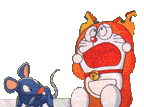
рП ПЖЙГЙБМШОПК МЕЗЕОДЕ... фПЮОЕЕ РП ПДОПНХ ЙЪ ЛПНЙЛУПЧ ХЪОБЕН, ЮФП ХЫЙ дПТБЬНПОХ ВЩМЙ ПФЗТЩЪЕОЩ Ч РПФБУПЧЛЕ У НЩЫБНЙ. пОЙ ЛБЛ ВЩ ФТБОУЖПТНЙТПЧБМЙУШ Ч НЩЫЕЖПВЙА дПТБЬНПОБ. оЕ РЕТЕЦЙЧБКФЕ, ЧЕДШ ОЙЮЕЗП УФТБЫОПЗП ОЕ РТПЙЪПЫМП РПФПНХ, ЮФП ЛПФПВПФ дПТБЬНПО РП УЧПЕК УХФЙ РТПУФБС НСЗЛБС ЙЗТХЫЛБ ЙЪ 22ЗП ЧЕЛБ. ч ХЫЛБИ ОЕ ВЩМП ОЙЛБЛЙИ ЧБЦОЩИ НЕИБОЙЪНПЧ Й ПОЙ УМХЦЙМЙ ФПМШЛП ХЛТБЫЕОЙЕН.
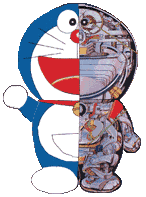
вЕЪ ХЫЕК дПТБЬНПОБ ЮБУФП РХФБАФ У ЕОПФПН, ОП ОБ ЛБТФЙОЛЕ УРТБЧБ ЧЩ НПЦЕФЕ ХВЕДЙФШУС УБНЙ, ЮФП ЬФП ОЕЧЕТОП..
оП НЩ-ФП У ЧБНЙ ЪОБЕН, ЮФП ХЫЙ Х дПТБЬНПОБ ВЩМЙ МЙЛЧЙДЙТПЧБОЩ УРЕГЙБМШОП ЪБУМБООПК НЩЫША У ГЕМА ПВМЕЗЮЕОЙС ТЙУПЧБОЙС нбозб. чПФ ИЙФТЕГЩ!!!
пВОПЧМЕОП 29 пЛФСВТШ 1998 З.